
DAIRY
Supporting healthy cows and consistent production
Pre-freshening
The pre-freshening phase is critical as cows prepare for calving and early lactation. Nutritional needs rise, and low trace mineral status can increase risks of mastitis, retained placenta, uterine infection, and stillbirth.
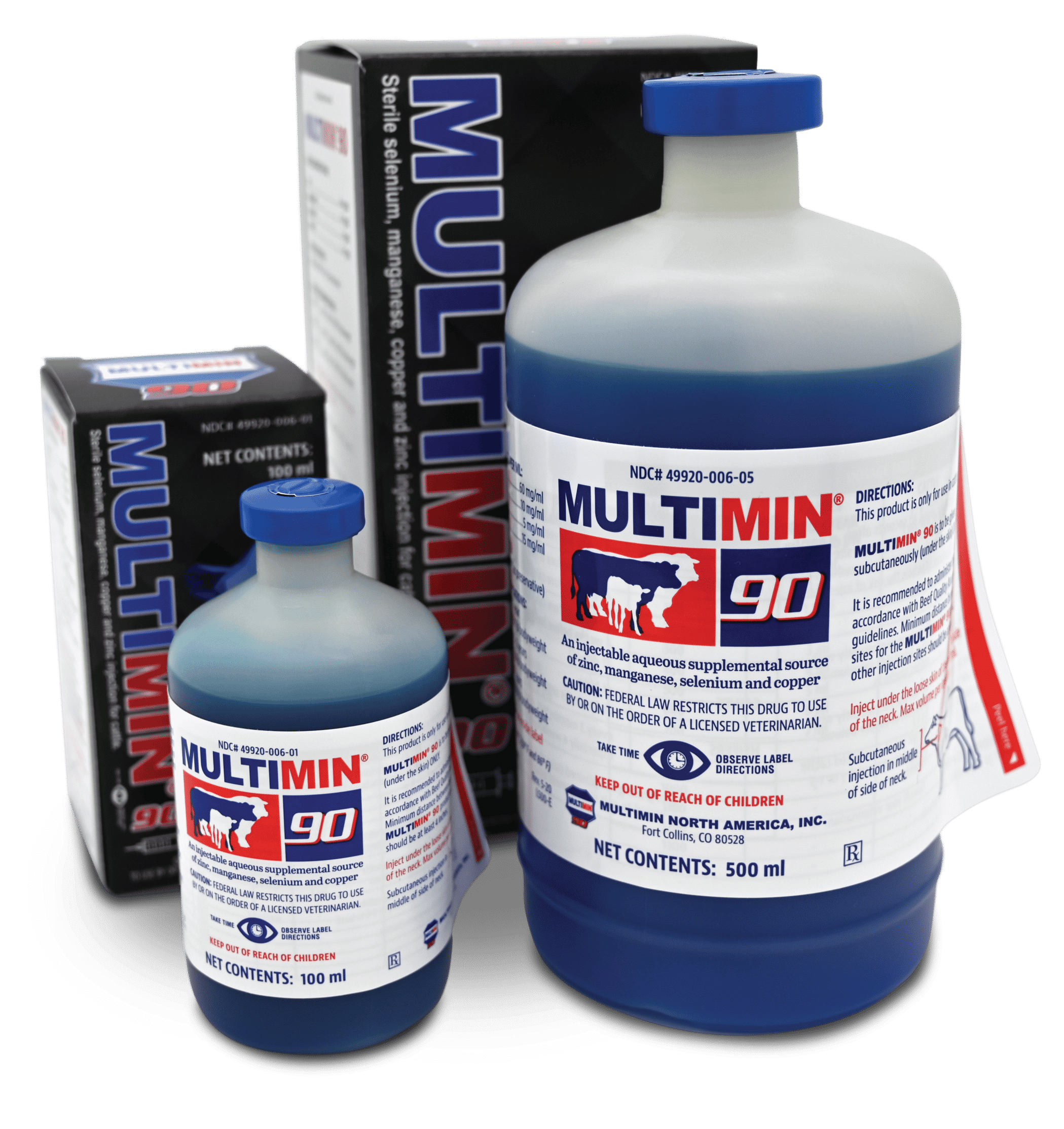
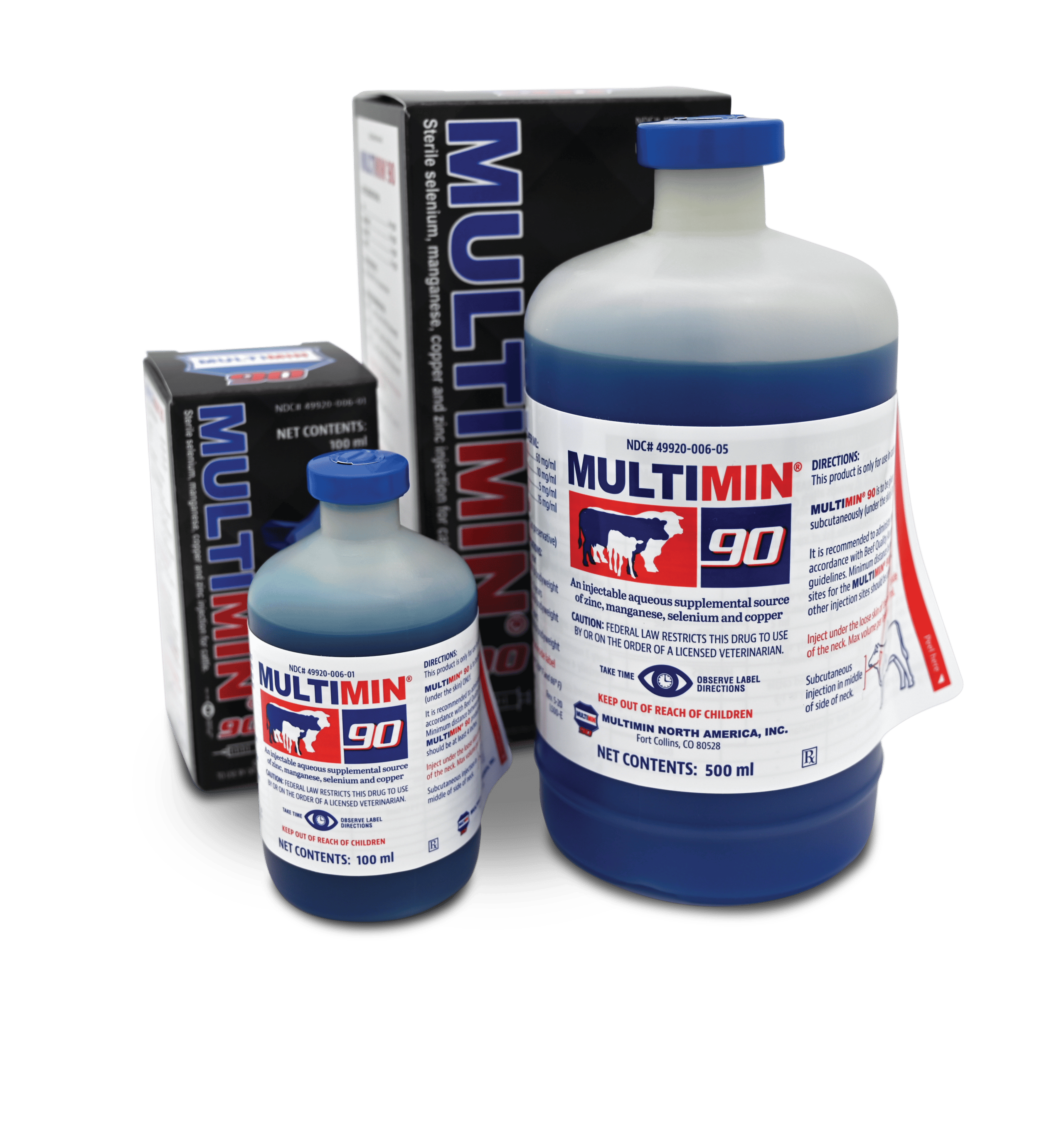
Multimin® 90 (zinc, copper, manganese, and selenium injection) delivers essential minerals in an injectable format, bypassing rumen antagonists. Increased trace minerals have been shown to support immunity,1 higher quantities of vaccine-specific antibodies in the colostrum3 and overall herd health. Healthier cows calve more successfully, produce higher-quality colostrum, and enter lactation stronger — reducing veterinary costs, minimizing losses, and setting the stage for higher milk production.


Freshening
Transitioning from high-roughage dry rations to high-energy lactation diets is one of the most demanding periods in a cow’s production cycle. High-roughage diets lower Megasphaera elsdenii (Mega e®) levels, which can lead to lactic acid buildup, metabolic disruption, and reduced feed intake during feed transition.
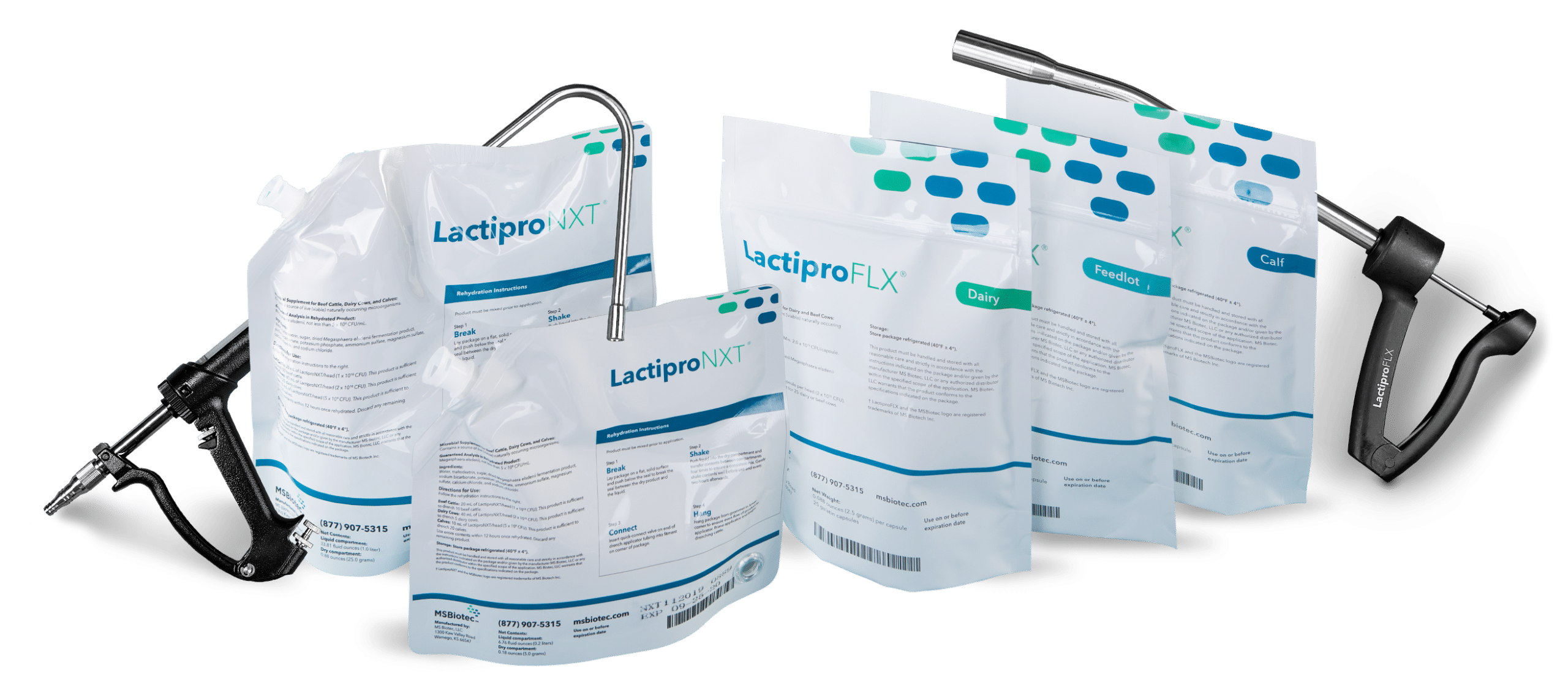
Lactipro® is a targeted, unique probiotic that consumes lactic acid buildup to ensure a more productive transition. Lactipro supports rumen health and papillae growth, helping cows absorb more nutrients, maintain steadier intake, and reduce early lactation cull rates within the first 60 days in milk. It stabilizes fermentation and pH, reducing the incidence of sub-acute ruminal acidosis.
At freshening, a cow’s body faces a sudden spike in demand for trace minerals. Milk production, immune function, and tissue repair all require immediate access to these nutrients. Even with a well-balanced diet, absorption of oral supplements from the gut is limited, especially since dry matter intake drops right around calving. Multimin 90 delivers key trace minerals that are available in the blood within hours after injection4. These minerals support immunity to help fresh cows resist infections5, including chronic mastitis,2 and support early lactation6.
Consistent feed intake and stronger immunity result in healthier cows, helping the herd stay productive and profitable during a critical stage.
Calf development
Ensuring the health and development of your replacement animals is key to the long-term health and productivity of your herd.
Transitioning calves from a milk to a grain diet can be a significant challenge, and managing that transition is critical to proper rumen development. Lactipro is the only probiotic that delivers rumen-native, proprietary Mega e — a targeted lactic acid utilizer — to help calves successfully navigate this transition, supporting better rumen health and development.


Low-ruminating & hospital cattle
Cattle in the hospital pen need extra support to regain health and return to production. Multimin 90 supplements trace minerals, which have been shown to strengthen immunity and speed recovery.1
Illness or injury in cattle can cause a disruption in feed intake, which can cause metabolic upsets and changes in the rumen microbial populations. As an animal’s health improves, it may overeat, which can cause digestive stress. Lactipro stabilizes rumen function to promote steady feed intake and smooth digestion, helping support a cow’s nutrition as it gets back on its feet.
If your operation is using animal monitoring devices, consider using Lactipro on animals that need attention due to a low rumination health alert.
SAFETY


For veterinary professionals
Help your dairy clients achieve measurable results with supplements that complement their herd health strategies. Explore resources to learn how targeted probiotics and trace minerals complement your recommendations.
expert perspectives
| MAR 27, 2025
How Lactipro Works in Dairy Cattle
FROM OUR EXPERTS
| MAR 24, 2025
Optimizing rumen development in dairy calves
TESTIMONIAL
| MAR 27, 2025
Strategic Use of Multimin 90 at Jorgensen Land and Cattle
references
1 Palomares, R.A., et al. 2016. Vet. Immunol. Immunopathol. 178(1): 88-98.
2 Ganda, E.K., et al. 2016. J Dairy Sci. 99(9): 7319-7329.
3 Palomares, R.A., et al. 2021. 102nd Conference of Research Workers in Animal Diseases. Chicago, IL. 433.
4 Pogge, D.J., et al. 2012. J. Anim. Sci. 90(8):2692-2698
5 Machado, V.S., et al. 2013. The Veterinary Journal. 197(2): 451-456.
6 Guadagnini, M., et al. 2023. Congreso Internacional Anembe de Medicina Bovina Proceedings. Pg. 211-212.
AX-00127-01